

Simplifying Homeownership
See EXACTLY How Much Home You Qualify For Today!

Simplifying Homeownership
See EXACTLY How Much Home You Qualify For Today!

Learning Center

The Biggest Myths About Buying a Home in Washington State — Debunked
The Biggest Myths About Buying a Home in Washington State — Debunked
If you've been thinking about buying a home in Washington state but keep talking yourself out of it, there's a good chance a mortgage myth is to blame. Social media, well-meaning friends, and outdated "rules of thumb" have convinced a generation of buyers that homeownership is out of reach — when the reality is far more accessible than you've been led to believe.
Here's the thing: Washington's housing market is actually shifting in buyers' favor right now. Active inventory across the state is up 26% year-over-year, King County's median home price has come down over 5% from last year, and 30-year fixed mortgage rates are currently sitting in the mid-6% range — stabilized after years of volatility. This could be one of the best windows for first-time buyers in years. But only if you don't let these myths keep you on the sidelines.
Let's break down the most common mortgage myths keeping Washington homebuyers from moving forward — and replace them with the truth.
Myth #1: You Need 20% Down to Buy a Home
This is, without question, the biggest mortgage myth in America — and it's doing serious damage. Experts across the industry have called the 20% down payment requirement the single most harmful misconception in home buying, because it stops people from even starting the process.
The truth? You have multiple options that require far less:
- Conventional loans: As little as 3% down for qualified buyers. On a $500,000 home, that's $15,000 — not $100,000.
- FHA loans: 3.5% down with a credit score of 580 or higher. FHA loans are incredibly popular with Seattle, Tacoma, and Spokane first-time buyers.
- VA loans: 0% down for eligible veterans and active-duty service members. No private mortgage insurance (PMI) either.
- USDA loans: 0% down in eligible rural and suburban areas of Washington state — including parts of Kitsap, Thurston, and Skagit counties.
- Washington State Housing Finance Commission (WSHFC) programs: Down payment assistance programs specifically for WA buyers that can cover a significant portion of your upfront costs.
Yes, putting 20% down eliminates private mortgage insurance (PMI), which is a real cost. But PMI typically runs 0.5%–1.5% of your loan amount per year — often less than what you'd spend renting while saving for years to hit that 20% threshold. For many buyers, getting into a home sooner and building equity is the smarter financial move.
Myth #2: You Need Perfect Credit to Qualify
Another viral myth, especially on social media: that you need a 750+ credit score to even talk to a mortgage lender. This simply isn't true.
Here's what the numbers actually look like for Washington state mortgage approvals:
- Conventional loans: Typically require a minimum score of 620, though a higher score gets you better rates.
- FHA loans: You can qualify with a score as low as 580 (with 3.5% down) or even 500–579 with 10% down.
- VA loans: No official minimum credit score from the VA — lenders typically look for 580–620.
A score of 680 can get you into a home in Washington state. And if your credit needs work, a good mortgage broker can help you build a 60–90 day plan to improve your score before applying. Don't count yourself out before you even ask.
Myth #3: Renting Is Always Cheaper Than Buying
With rents rising sharply across Western Washington over the past few years, this myth has quietly lost most of its credibility — but it persists. The comparison is more nuanced than "rent is cheaper per month."
When you rent, every payment goes to your landlord's equity. When you own, a portion of every mortgage payment builds your equity. In King County, where the median home price has actually pulled back to around $859,000 from $907,000 a year ago, buyers are getting more home for the same money than they were in 2025. Meanwhile, rent in Seattle has continued to climb.
Buying isn't right for everyone in every situation — but the blanket claim that renting is cheaper ignores the long-term wealth-building math of homeownership. Over a 10-year horizon, WA homeowners have consistently come out ahead of renters in comparable situations.
Myth #4: You Should Wait for Rates to Drop Before Buying
This myth is costing buyers real money — not saving them any. The logic sounds reasonable: "Rates are high, so I'll wait until they come down." The problem is that when rates drop, demand surges, prices rise, and inventory tightens. You're not buying in a vacuum.
Right now, Washington state has 26% more homes on the market than a year ago. That means more negotiating power, fewer bidding wars, and more time to make a thoughtful decision. If and when rates drop meaningfully, that inventory advantage evaporates fast.
The mortgage industry's long-standing advice applies here: "Date the rate, marry the house." Buy now when inventory gives you options, and refinance when rates improve. A Seattle-area buyer who waited for rates to hit 5% in 2023, 2024, and 2025 is still renting today.
Myth #5: Getting Pre-Approved Will Hurt Your Credit Score
This one stops buyers in their tracks before they ever pick up the phone. The fear: that mortgage inquiries will crater their credit score and make things worse. The reality is far less dramatic.
Mortgage pre-approval involves a "hard inquiry," which typically drops your score by less than 5 points temporarily. More importantly, credit bureaus treat multiple mortgage inquiries within a 14–45 day window as a single inquiry — so you can shop multiple lenders without compounding the impact.
Getting pre-approved is one of the smartest things you can do as a WA homebuyer. It shows sellers you're serious, clarifies your actual budget, and often reveals ways to strengthen your application before you start making offers.
Myth #6: You Need to Figure All This Out Before Calling a Lender
Perhaps the most common myth of all — and the most paralyzing. Many buyers spend months or even years researching online, trying to get "ready" before they reach out to a mortgage professional. By then, they've often absorbed more misinformation than facts.
A good mortgage broker's job is to meet you where you are — not where you think you should be. Whether you have a 610 credit score, $8,000 in savings, or zero idea where to start, a conversation costs nothing and clarifies everything. You'll leave knowing exactly what you qualify for, what programs you're eligible for, and what steps — if any — you need to take before buying.
FAQ: Washington State Home Buying Myths Answered
Do I really need 20% down to avoid being rejected for a mortgage in Washington state?
No. Conventional loans in Washington start at 3% down, FHA loans at 3.5%, and VA and USDA loans offer zero-down options for qualifying buyers. The WSHFC also offers down payment assistance programs for eligible WA buyers. The 20% threshold is a guideline to avoid PMI — not a requirement to qualify.
What credit score do I need to buy a home in Seattle or Tacoma?
For most loan programs, you'll need a minimum score of 580–620. FHA loans allow scores as low as 580 with 3.5% down. Conventional loans typically require 620+. Higher scores unlock better rates, but a score in the 600s is enough to get started in most WA markets.
Is now a good time to buy a home in Washington state?
Inventory is up 26% year-over-year statewide, King County prices have pulled back, and rates have stabilized in the mid-6% range. Compared to the frenzied seller's market of 2021–2023, buyers today have significantly more negotiating power. Whether it's the right time for you depends on your personal finances and timeline — a conversation with a local mortgage broker can clarify your specific situation.
Will getting a mortgage pre-approval hurt my credit score?
Only minimally. A mortgage hard inquiry typically reduces your score by fewer than 5 points, and credit bureaus treat multiple mortgage inquiries within a 14–45 day window as a single pull. The benefit of knowing exactly what you qualify for far outweighs this small, temporary impact.
Is it better to rent than buy in Washington state right now?
It depends on your situation, but the math favors buying for most buyers who plan to stay in a home for 5+ years. Rents in the Puget Sound region have climbed steadily, while homeownership builds equity. With inventory rising and prices softening in some markets, WA buyers have more options today than they've had in years.
What Washington state programs help first-time buyers with down payments?
The Washington State Housing Finance Commission (WSHFC) offers several programs, including the Home Advantage and House Key programs, that provide down payment assistance as a second mortgage or deferred loan. Income and purchase price limits apply. A local mortgage broker can help you determine which programs you qualify for.
Work With a Washington State Mortgage Expert
Don't let myths make your decision for you. The WA housing market right now is offering buyers a window they haven't had in years — more inventory, more negotiating power, and stabilized rates. Whether you have questions about down payment options, credit requirements, or which loan program fits your situation, the best first step is a conversation with someone who knows this market.
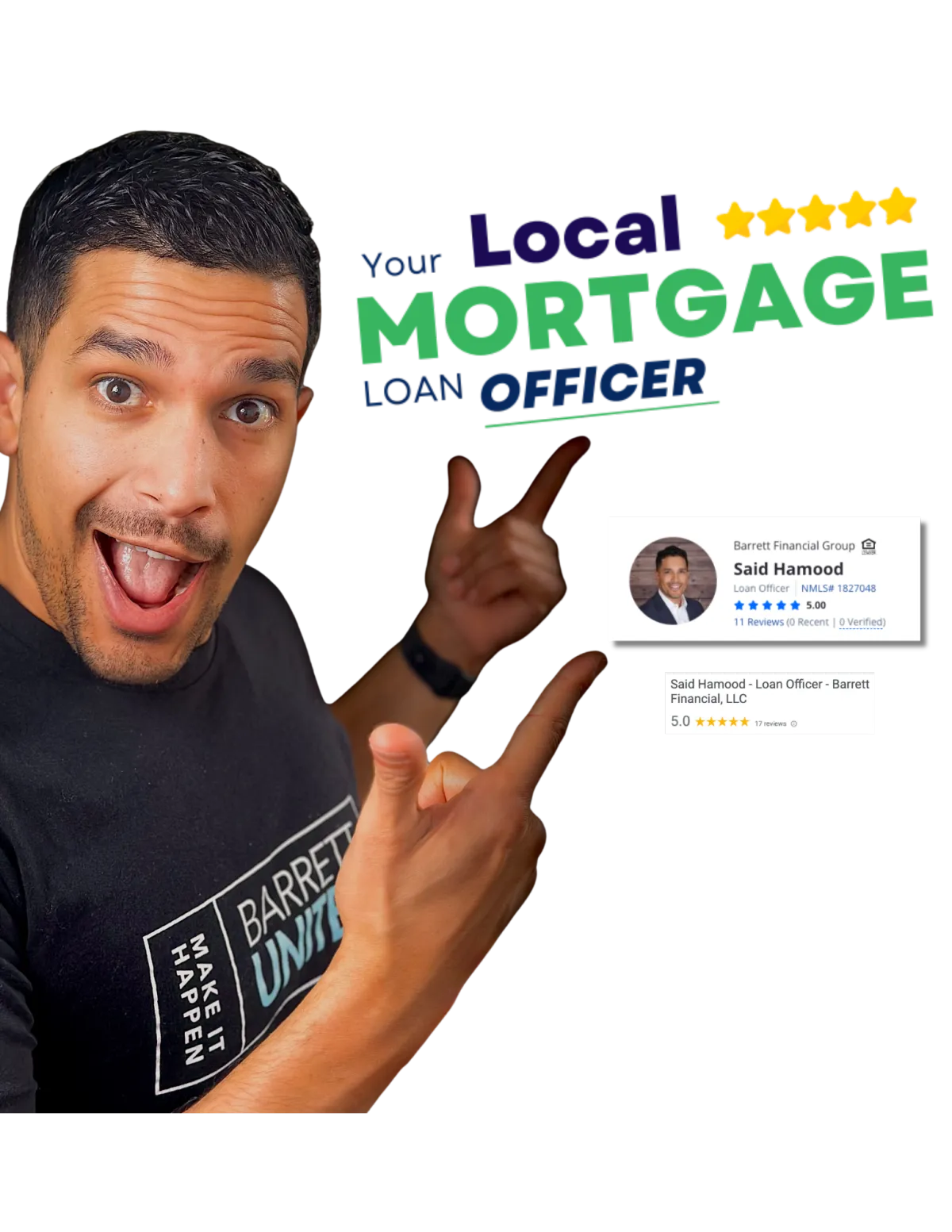
Said Hamood is a licensed mortgage loan officer at Barrett Financial, specializing in helping Washington state homebuyers — especially first-time buyers — navigate the process with clarity and confidence. From Seattle and Bellevue to Tacoma and Spokane, Said works with buyers across WA to find the right loan for their goals.
Ready to get started? Visit saidhamood.com or call Said Hamood today to explore your options.

What is the first step in buying a home?
The first step is understanding your budget and getting pre-approved for a mortgage. This helps you know what you can afford and shows sellers that you're a serious buyer. I can guide you through this process to make sure you're prepared and confident.

How much money do I need for a down payment?
Down payments typically range from 3% to 20% of the home’s purchase price, depending on the type of loan you qualify for. There are also programs for first-time homebuyers that may offer down payment assistance. I can help you explore your options.

What does pre-approval mean, and why is it important?
Pre-approval means a lender has evaluated your financial information and determined the loan amount you're eligible for. It’s crucial because it gives you a clear idea of your budget, helps you compete with other buyers, and speeds up the closing process once you find a home.

What types of loans are available for first-time homebuyers?
There are several loan options, including FHA loans, USDA loans, and conventional loans. The best option for you depends on factors like your credit score, income, and the location of the home. I can help you compare the options and choose the best one for your situation.

How do I know if I qualify for a mortgage?
Lenders look at factors like your credit score, income, debt-to-income ratio, and the amount of money you have for a down payment. The good news is that I work with a range of clients, from those with perfect credit to first-time buyers, to help you find the right path to homeownership.

What are closing costs, and how much should I expect to pay?
Closing costs usually range from 2% to 5% of the home's purchase price and cover fees like appraisals, inspections, and lender charges. I’ll help you understand all the costs involved so there are no surprises at the end of the process.

Can I get a mortgage if I have student loans or other debt?
Yes! Many buyers with student loans or other forms of debt still qualify for a mortgage. Lenders look at your overall financial picture, including your income and debt-to-income ratio. Let’s talk through your situation, and I’ll help you find the best solution.

How long does the home buying process take?
The process typically takes about 21 to 45 days from the time you make an offer to closing. However, this can vary depending on factors like inspections, appraisals, and the lender's processing time. I’ll keep you updated every step of the way so you know what to expect.

What happens if my offer on a home is accepted?
Once your offer is accepted, the next steps include signing a purchase agreement, scheduling inspections, and finalizing your mortgage application. From there, the lender will process your loan, and we'll work together to ensure everything is in place for a smooth closing.

How do I know if I’m ready to buy a home?
If you’re financially stable, have a reliable income, and can afford a down payment and monthly mortgage payments, you might be ready. I’ll help you assess your financial readiness and guide you through the process to ensure you’re making the best decision for your future.

What is an FHA loan?
An FHA loan is a government-backed mortgage designed to help first-time homebuyers and those with less-than-perfect credit. It typically requires a lower down payment (as low as 3.5%) and has more flexible credit requirements, making it an excellent option for those who might not qualify for conventional loans.

What is a VA loan, and who qualifies?
A VA loan is a mortgage loan backed by the U.S. Department of Veterans Affairs, designed for military service members, veterans, and certain members of the National Guard and Reserves. It typically requires no down payment or private mortgage insurance (PMI), making it a great option for those who qualify.

What is a USDA loan?
A USDA loan is a government-backed mortgage offered to homebuyers in rural and suburban areas. It requires no down payment and offers competitive interest rates. To qualify, buyers need to meet income and property location requirements, making it a great option for those looking to buy in rural areas.

What is a conventional loan?
A conventional loan is a mortgage that is not insured or backed by the federal government. These loans usually require a higher credit score and a larger down payment than FHA loans, but they come with more flexible terms and potentially lower mortgage insurance costs if you put down at least 20%.

What is a jumbo loan?
A jumbo loan is a type of mortgage that exceeds the conforming loan limits set by the Federal Housing Finance Agency (FHFA). These loans are typically used for luxury or high-value homes and require stricter credit and income qualifications. They also tend to have higher interest rates due to the larger loan amounts.

What is a fixed-rate mortgage?
A fixed-rate mortgage is a loan with an interest rate that stays the same throughout the life of the loan, typically 15, 20, or 30 years. This provides stability and predictable monthly payments, making it a popular choice for many homebuyers.

What is an adjustable-rate mortgage (ARM)?
An adjustable-rate mortgage (ARM) is a type of loan where the interest rate can change periodically based on market conditions. ARMs typically start with lower rates for the first few years and then adjust. While this can offer lower initial payments, it comes with more risk as rates can increase over time.

What is a renovation loan?
A renovation loan, like the FHA 203(k) loan, allows you to finance both the purchase of a home and the cost of repairs or renovations in one loan. This can be a great option if you want to buy a fixer-upper and make improvements to it, as it allows you to finance the project upfront.


"I educate first-time homebuyers so they can make informed decisions"
Said Hamood - Seattle Mortgage Broker - NMLS#1827048
Said Hamood | NMLS #1827048 | Barrett Financial Group, L.L.C. | NMLS #181106 | 275 E Rivulon Blvd, Suite 200, Gilbert, AZ 85297 | TX view complaint policy at www.barrettfinancial.com/texas-complaint | WA MB-181106 | Equal Housing Opportunity | This is not a commitment to lend. *All loans are subject to credit approval. | mlsconsumeraccess.org/EntityDetails.aspx/COMPANY/181106